What to See in Baku in 3 Days – A Ready-Made Travel Itinerary
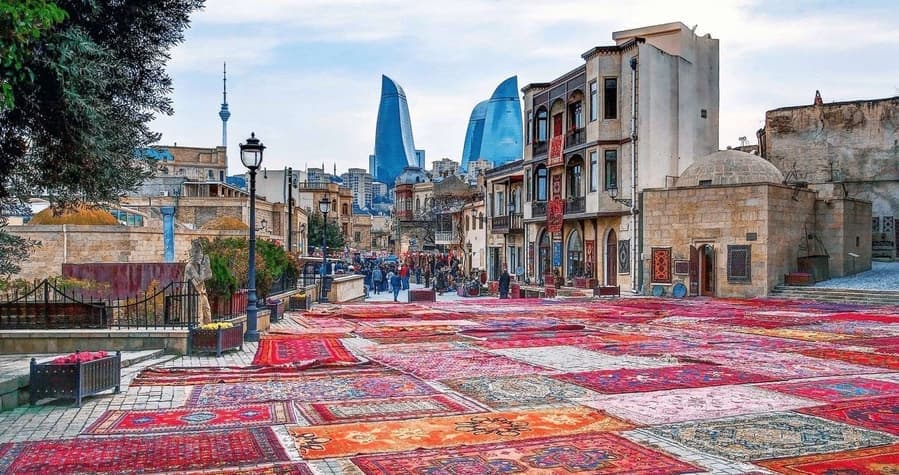
Baku is one of those cities that surprises visitors from the very first moment. Ancient streets and medieval walls stand alongside futuristic skyscrapers, while centuries-old landmarks coexist with modern architectural masterpieces. This unique combination has made Azerbaijan's capital one of the most fascinating destinations in the Caucasus.
Many travelers visit Baku for only a few days and wonder whether three days are enough to explore the city. In reality, a well-planned itinerary allows visitors to see the main attractions, experience the city's atmosphere and even explore several remarkable sites located outside the capital.
If you are visiting Azerbaijan for the first time, this guide will help you discover both the historical and modern sides of Baku.
Are 3 days enough to explore Baku?
Three days are generally considered the ideal amount of time for a first visit.
During this period, you can:
- explore the historic center;
- visit major museums;
- enjoy the city's best viewpoints;
- discover modern architecture;
- walk along the seaside boulevard;
- visit attractions outside the city;
- try traditional Azerbaijani cuisine.
While Baku offers enough attractions for a much longer stay, three days are sufficient to experience its highlights.
Day 1 – Old City and Historic Baku
The first day should be dedicated to the historical heart of the city.
Most of the major attractions are located within walking distance of each other, making it easy to explore on foot.
Icherisheher
The best place to begin your journey is Icherisheher, also known as the Old City.
Surrounded by ancient fortress walls, this UNESCO-listed district is considered the historical heart of Baku. Narrow stone streets, traditional houses, mosques, caravanserais and hidden courtyards preserve the atmosphere of centuries past.
Walking through Icherisheher offers a glimpse into Baku's rich history and cultural heritage.
Maiden Tower
One of Azerbaijan's most recognizable landmarks is the Maiden Tower.
Its origins remain a subject of debate among historians, but it has become a symbol of both Baku and Azerbaijan.
Visitors can climb to the top and enjoy panoramic views of the Old City and the Caspian Sea.
Palace of the Shirvanshahs
A short walk from the Maiden Tower leads to the Palace of the Shirvanshahs.
Built in the 15th century, this architectural complex served as the residence of the rulers of the Shirvanshah state.
Today it is considered one of the most important historical monuments in Azerbaijan and is included on the UNESCO World Heritage List.
Nizami Street
After exploring the Old City, continue your walk along Nizami Street.
Known for its elegant architecture, shops, restaurants and lively atmosphere, it is one of the most popular streets in Baku.
The area becomes especially vibrant in the evening when both locals and tourists gather to enjoy the city center.
Baku Boulevard
The first day is best completed with a walk along Baku Boulevard.
Stretching for several kilometers along the Caspian Sea, the boulevard is one of the city's most beloved recreational areas.
Parks, cafés, entertainment venues and beautiful waterfront views make it an ideal place to relax after a day of sightseeing.
Day 2 – Modern Baku
The second day should focus on the city's contemporary side.
Modern architecture has played a major role in transforming Baku into one of the most recognizable cities in the region.
Heydar Aliyev Center
The Heydar Aliyev Center is one of Azerbaijan's most iconic landmarks.
Designed by world-renowned architect Zaha Hadid, the building is famous for its flowing curves and futuristic appearance.
It has become one of the most photographed locations in the country.
Highland Park
Highland Park offers the best panoramic views of Baku.
From here, visitors can admire the Caspian Sea, Baku Bay and the city's skyline.
Many travelers consider this viewpoint one of the highlights of their trip.
Flame Towers
The famous Flame Towers dominate the city's skyline.
Their design reflects Azerbaijan's historic connection with fire and energy.
At night, the towers are illuminated with impressive light displays that can be seen from many parts of the city.
Azerbaijan Carpet Museum
Even travelers who are not usually interested in museums should consider visiting the Azerbaijan Carpet Museum.
The building itself is an attraction thanks to its unique design resembling a rolled carpet.
Inside, visitors can learn about the history of Azerbaijani carpet weaving and traditional craftsmanship.
Little Venice and Deniz Mall
The second half of the day can be spent exploring Little Venice.
Its canals, bridges and pedestrian areas create a unique atmosphere along the waterfront.
Nearby, Deniz Mall offers shopping, restaurants and entertainment facilities in one of Baku's most modern commercial centers.
Day 3 – What to see near Baku?
The third day is perfect for exploring attractions outside the city.
Several of Azerbaijan's most remarkable natural and historical sites are located within easy reach of the capital.
Gobustan
Gobustan is one of Azerbaijan's most famous archaeological sites.
The reserve contains ancient rock carvings dating back thousands of years.
These petroglyphs provide valuable insight into the lives of prehistoric communities that once inhabited the region.
Mud Volcanoes
Located near Gobustan, the mud volcanoes are among the country's most unusual natural attractions.
Azerbaijan is home to one of the world's highest concentrations of mud volcanoes.
The landscape often resembles another planet and leaves a lasting impression on visitors.
Yanar Dag
Yanar Dag, also known as the Burning Mountain, is one of Azerbaijan's most famous natural phenomena.
Natural gas escaping from underground has fueled continuous flames on the hillside for decades.
The site perfectly illustrates why Azerbaijan is often called the Land of Fire.
Ateshgah Fire Temple
The Ateshgah Fire Temple is one of the most fascinating historical sites near Baku.
For centuries, pilgrims traveled here to worship the eternal flames fed by natural gas.
Today, the complex functions as a museum and remains one of the most visited attractions in the region.
Where should you stay in Baku for 3 days?
For first-time visitors, the most convenient areas include:
- Icherisheher;
- Fountain Square;
- Baku Boulevard area;
- central Baku.
Staying in the city center makes it easier to reach most attractions and reduces travel time.
What traditional Azerbaijani food should you try?
During your visit, make sure to try:
- plov;
- dolma;
- kebab;
- qutab;
- dovga;
- pakhlava;
- traditional Azerbaijani tea.
Many of the city's best restaurants serving local cuisine are located in the Old City and central districts.
How much does a 3-day trip to Baku cost?
Baku offers travel options for almost every budget.
Typical expenses include:
- accommodation;
- food and drinks;
- transportation;
- excursions;
- entrance tickets.
Compared to many European capitals, Baku remains a relatively affordable destination.
When is the best time to visit Baku?
The most comfortable months for sightseeing are:
- April;
- May;
- June;
- September;
- October.
During these months, the weather is ideal for walking and exploring the city.
Summer can be quite hot, while winter is often associated with the strong winds for which Baku is famous.
Is Baku worth visiting for 3 days?
If you are visiting Azerbaijan for the first time, spending three days in Baku is an excellent choice.
Within a short period, you can explore medieval streets, admire modern architecture, relax by the Caspian Sea and discover some of the country's most impressive historical and natural attractions.
The combination of history, modernity, seaside views and Eastern charm makes Baku one of the most fascinating cities in the Caucasus and a destination that encourages many travelers to return again.